

Pancit Miki Guisado
Pancit Miki Guisado is a comforting Filipino noodle dish that combines fresh miki noodles, savoury pork, shrimp, and crisp vegetables. In this lighter, home-style version, minced pork replaces the more traditional pork belly, making the dish easier to prepare while still delivering plenty of rich, savoury flavour in every bite.
Fresh miki noodles are stir-fried in a simple sauce made with chicken broth, soy sauce, oyster sauce, and a touch of fish sauce. Tender shrimp, browned minced pork, napa cabbage, carrot, and green onions add colour, texture, and freshness without overwhelming the noodles – the true star of the dish.
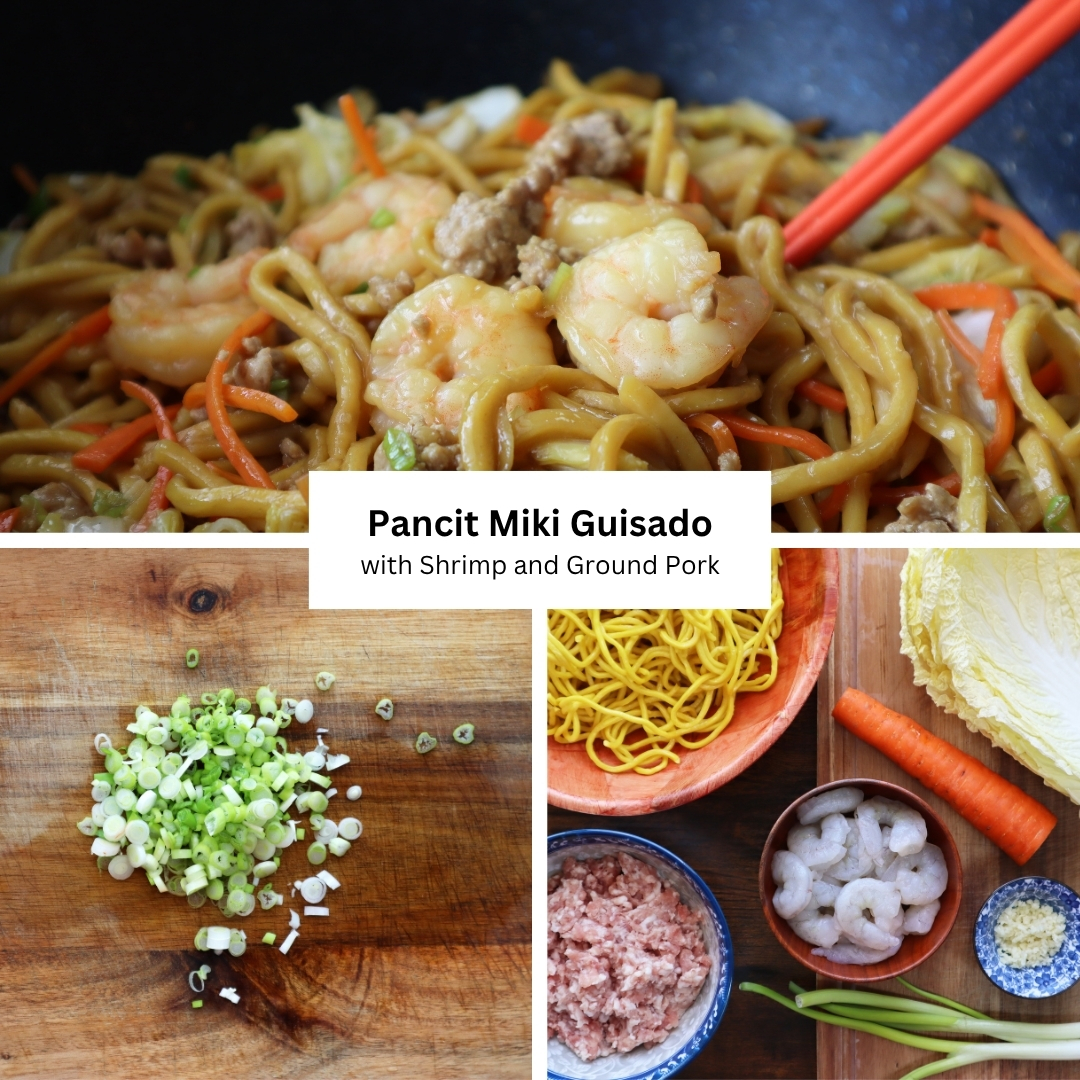
This Pancit Miki Guisado recipe keeps things uncomplicated, balanced, and visually appealing. Cooking the pork and shrimp separately from the vegetables helps each ingredient retain its best texture. The shrimp stay tender, the vegetables remain fresh and vibrant, and the noodles absorb the savoury sauce beautifully.
Serve the noodles with calamansi or lemon wedges on the side. A squeeze of citrus just before eating brightens the dish and balances its savoury flavours. This Filipino noodle recipe brings comfort and colour to the table, whether you serve it at a family meal, a casual gathering, or an easy weeknight dinner.
Q&As on Pancit Miki Guisado
1. What are Miki noodles, and are they uniquely Filipino?
Miki noodles are fresh, thick egg noodles made from wheat flour, eggs, and water. In addition, unlike many types of pancit, Miki noodles are usually sold fresh. For this reason, a light oil coating keeps the strands supple.
Egg noodles are indeed a staple across many Asian cuisines. However, Miki is a distinctively Filipino evolution of Chinese noodle-making traditions. Centuries of Chinese-Filipino trade gradually shaped the yellow, chewy noodles found in markets today. Although the roots of the egg noodle are shared across Asia, Miki noodles hold a unique place in Filipino culinary identity.
2. What does the name “Pancit Miki Guisado” actually mean?
The name reflects the Philippines’ diverse cultural history by combining Chinese and Spanish influences. For example, “Pancit” is the general Filipino term for noodles. In fact, it comes from the Hokkien Chinese phrase “pian i sit,” meaning “something conveniently cooked.” Meanwhile, “Miki” refers to the thick, fresh yellow egg noodles used in the dish, and “Guisado” is a Spanish culinary term meaning “sautéed” or “stir-fried.” Therefore, Pancit Miki Guisado literally means “sautéed fresh egg noodles.” As a result, every chewy, savoury bite reflects the archipelago’s rich culinary history.
3. I found the dish a bit salty. Is it supposed to taste that way?
Yes, Pancit Miki Guisado often has a robust, salty profile. Soy sauce, oyster sauce, fish sauce, and fresh noodles all contribute sodium. In Filipino cooking, diners often balance this saltiness at the table. This is why the dish commonly comes with fresh calamansi or lemon wedges. Citrus brightens the savoury flavours and creates a more rounded taste. For a lighter meal, use low-sodium broth and reduce the soy and fish sauce to suit your taste.
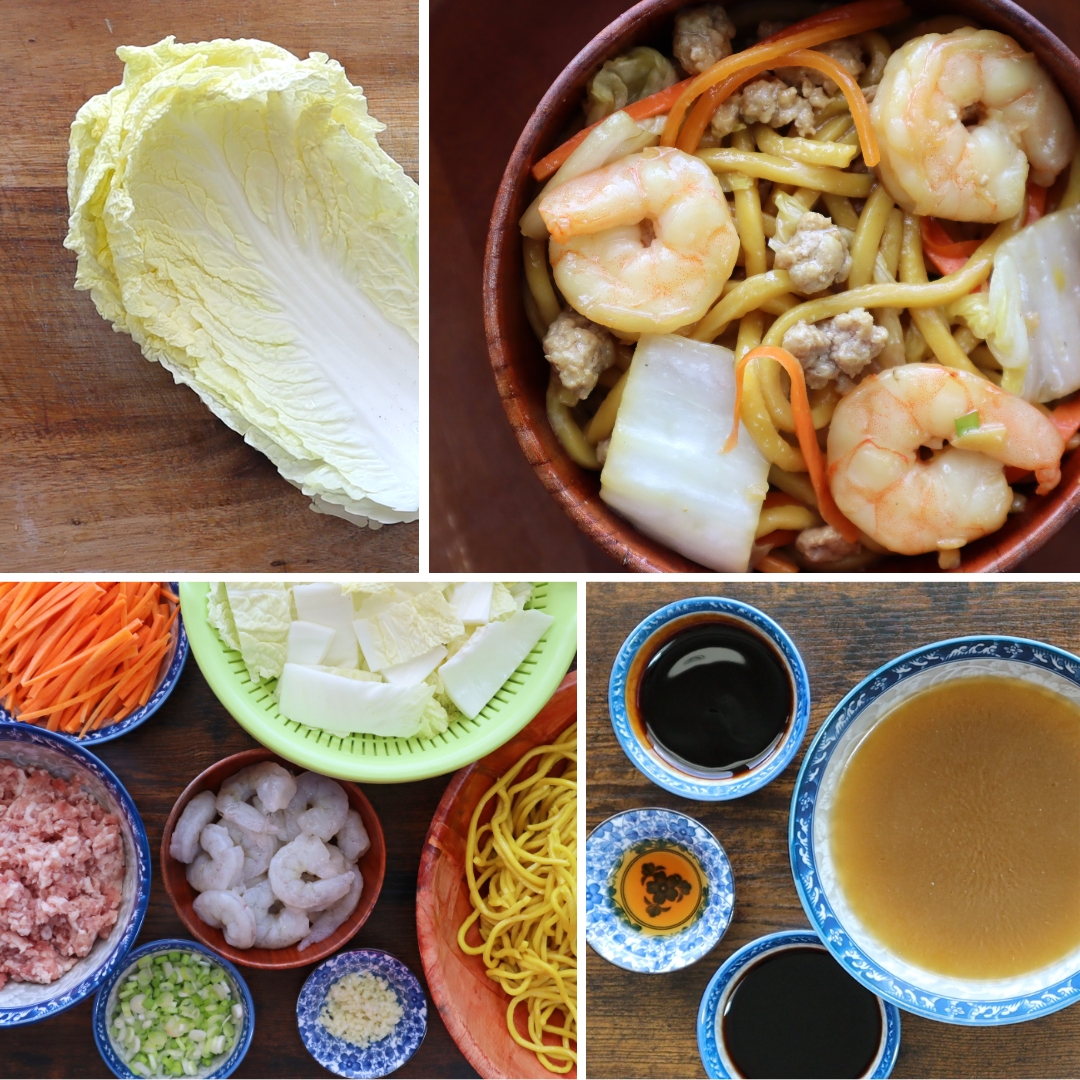
4. Why do you suggest cooking the proteins and the vegetables separately in this recipe?
Cooking in batches supports the visual standards of “ngon bằng mắt” (“We eat with our eyes first”). It also helps every ingredient keep its best texture.
When everything cooks together, vegetables can release too much moisture. The meat may steam instead of sear, and the cabbage can become mushy. Stir-fry the minced pork and shrimp first. Then cook the vegetables before combining everything with the noodles. This keeps the shrimp juicy and tender. It also helps the cabbage and carrots retain vibrant colour and a crisp snap. The extra few minutes create a cleaner, more polished presentation where every ingredient looks its best.
5. Can I use dried egg noodles if I can’t find fresh miki noodles at my local market?
Fresh miki noodles give this dish their soft, chewy, slightly doughy texture. Still, you can use dried egg noodles, often labelled Pancit Canton, as a substitute. Dried noodles absorb more liquid than fresh noodles. You may need more chicken broth, along with adjusted seasoning. The finished dish will have a firmer, springier bite. Yet the pork, shrimp, and oyster sauce will still deliver plenty of savoury flavour.
Explore More Miki Noodle Favourites
If you enjoyed this Pancit Miki Guisado, you’ll be happy to know that fresh Miki noodles are incredibly versatile! They are a staple in my kitchen because of their wonderful chewy texture and ability to soak up savoury sauces.
I’ve shared a few of my other favourite ways to prepare these noodles that you might love just as much. Whether you are looking for a comforting soul food or another quick weeknight stir-fry, check out these recipes:
- Asian Surf‑n‑Turf Noodles
- Lobster Noodles with XO Sauce (Mì Xào Tôm Hùm với Sốt XO)
- Minced Beef and Broccoli Noodles (Mì Xào Thịt Bò Bằm & Bông Cải Xanh)
Recipe for Pancit Miki Guisado
Equipment
- 1 large non-stick skillet or wok
Ingredients
Main Ingredients:
- 400 grams fresh miki noodles (Filipino egg noodles)
- 250 grams minced pork
- 165 grams shrimp, peeled and deveined
- 225 grams napa cabbage
- 1 small carrot
- ½ tablespoon freshly minced garlic
- 3 green onions
Sauce:
- 285 mL chicken broth
- 2 tablespoons soy sauce
- 2 tablespoons oyster sauce
- 1 teaspoon fish sauce
Seasoning (to taste):
- Salt, pepper, mushroom powder
Highly Recommended:
- Calamansi or lemon wedges for serving
Instructions
- Prepare the Ingredients:Julienne the carrot, cut the napa cabbage into bite-sized pieces, and chop the green onions. Set aside. Pancit Miki Guisado is very adaptable, so you may substitute or add vegetables based on what you have available.In a small bowl, combine the chicken broth, soy sauce, oyster sauce, and fish sauce. Whisk until well combined, then set aside.Bring a pot of water to a boil. Quickly dip the fresh miki noodles into the boiling water for about 30 seconds to remove excess surface oil and soften them slightly. Lift them out, drain well, and set aside.
- Cook:Heat 1 tablespoon of oil in a wok or large pan over medium-high heat. Add the garlic and sauté until fragrant.Add the minced pork and season with a small pinch of salt. Cook until nicely browned. Add the shrimp and, if using, a pinch of mushroom powder for extra umami flavour. Cook until the shrimp turn pink. Transfer the pork and shrimp to a plate and set aside.Using the same pan, add a little more oil if needed. Turn the heat to high and add the carrot and napa cabbage. Stir-fry until the vegetables are just tender-crisp. Remove from the pan and set aside with the pork and shrimp.Pour the prepared sauce into the pan and bring it to a gentle boil. Add the blanched miki noodles and toss gently. Cook until the noodles have absorbed most of the sauce.Return the cooked minced pork, shrimp, carrot, and napa cabbage to the pan. Toss over high heat for about 1 minute, until everything is well combined and steaming hot.Turn off the heat and stir in the chopped green onions. The residual heat will soften them slightly while keeping their fresh flavour and aroma.
- Serve:Transfer the Pancit Miki Guisado to a serving platter. Serve with calamansi or lemon wedges, and squeeze the juice over the noodles just before eating to balance the savoury flavours.
Video