
Vietnamese Glutinous Rice Balls in Ginger Syrup (Chè Trôi Nước)
Vietnamese Glutinous Rice Balls in Ginger Syrup, or Chè Trôi Nước, is one of Vietnam’s most beloved traditional desserts. It features soft, chewy glutinous rice dumplings filled with creamy mung bean, gently simmered in warm ginger syrup and finished with silky coconut sauce. Comforting, fragrant, and beautifully balanced, this dessert is famous for its signature texture. The tender rice balls are pleasantly chewy on the outside and smooth and savoury-sweet inside.
The name Chè Trôi Nước translates to “dessert that floats in water,” referring to how the dumplings rise as they cook. It is a simple but charming moment that gives this dish its poetic name. In Vietnamese food culture, families often enjoy Chè Trôi Nước during gatherings, ancestral offerings, and special occasions. It symbolizes togetherness, harmony, and completeness.

This version uses dark palm sugar to create a rich mahogany ginger syrup with a warm caramel-like aroma. While many versions feature a lighter syrup, dark palm sugar brings extra depth, complexity, and a stunning colour contrast. The golden dumplings stand out beautifully against the dark syrup and creamy white coconut sauce. The result is a dessert that feels both traditional and slightly elevated.
At the heart of this recipe is glutinous rice flour, also known as sweet rice flour. Despite its name, it contains no gluten. Instead, it creates the soft, stretchy, and bouncy texture that makes these dumplings so satisfying. Combined with smooth mung bean filling, fragrant ginger syrup, and luscious coconut cream, this dessert offers pure comfort and nostalgic flavour.
Whether you are discovering Vietnamese desserts for the first time or recreating a childhood favourite, this Chè Trôi Nước recipe is wonderful to make mindfully. From shaping each dumpling by hand to watching them float gently to the surface, every step feels peaceful, rewarding, and deeply connected to Vietnamese culinary tradition.
A Timeless Heritage
The story of Chè Trôi Nước is as rich and layered as its flavour. While it shares roots with Chinese tangyuan, this dessert evolved over centuries into a distinct part of Vietnamese culinary identity. Its origins tie deeply to Vietnam’s agricultural traditions, where rice represents life and prosperity.
In Vietnamese folklore, the round dumplings symbolize completeness and perfection. Families traditionally serve them during Tết Hàn Thực (Cold Foods Festival). Their significance also extends to family reunions, weddings, and a child’s first birthday. Gathering around a table to roll these “pearls” strengthens family bonds. This sense of unity reflects in the smooth, unbroken surface of each ball.
Culturally, Chè Trôi Nước also connects to the legend of Âu Cơ, the immortal fairy and mother of the Vietnamese people. Some believe these ivory-white dumplings symbolize the 100 eggs from Vietnam’s founding myth.
While its ancestors travelled across borders, the Vietnamese soul of this dish shines through local ingredients. Cooks use regional palm sugar, fresh ginger, and rich coconut sauce to reflect Vietnam’s tropical landscape. It is a dessert that tells a story of adaptation. It takes a simple concept and infuses it with the warmth, aromas, and hospitable spirit of Vietnamese culture.
Q&As on Vietnamese Glutinous Rice Balls in Ginger Syrup (Chè Trôi Nước)
1. Besides dark palm sugar, can I use other types of sugar for the ginger syrup?
Absolutely! While dark palm sugar gives this recipe its deep colour and caramel flavour, you can easily substitute other sugars depending on your pantry. Light palm sugar produces a milder taste and a golden syrup. This lighter style is actually more traditional in many versions of Chè Trôi Nước.
Brown sugar is another great option that adds warmth and depth. You can even use white granulated sugar if needed. Just keep in mind that the syrup will look lighter in colour and taste milder. If using white sugar, consider adding a touch of molasses to enhance the overall depth. Each variation remains delicious, so feel free to choose what suits you best!

2. What exactly is palm sugar, and how does it differ from the usual white granulated sugar found in most kitchens?
Palm sugar is a natural sweetener produced from the sap of palm trees like the Palmyra or Coconut palm. Unlike white granulated sugar, which undergoes heavy refining to achieve a neutral taste, palm sugar is minimally processed to retain complex flavour notes. It typically tastes like a blend of rich caramel, butterscotch, and toasted nuts. This profile adds gourmet depth to our ginger syrup. White sugar is purely crystalline and sweet, whereas palm sugar contains natural minerals and offers a more balanced sweetness. Palm sugar also provides an incredible mahogany hue that white sugar simply cannot replicate.
3. What exactly is glutinous rice flour, and is it the same as regular rice flour?
Glutinous rice flour, often called sweet rice flour or bột nếp in Vietnamese, comes from soaked and ground sticky rice. Despite its name, this flour is completely gluten-free. The term “glutinous” refers to the high starch content that turns sticky and elastic when cooked. This unique starch creates the iconic chewy and bouncy texture of Chè Trôi Nước that regular rice flour cannot achieve. Regular rice flour makes a firmer and more crumbly dough. In contrast, glutinous rice flour creates a soft, pliable wrapper that holds fillings easily and stays tender after boiling.
4. Can I store Chè Trôi Nước in the fridge, and how does it affect the texture?
Yes, you can store Chè Trôi Nước in the fridge for two to three days. Once chilled, the glutinous rice dumplings naturally firm up and lose some chewiness due to starch retrogradation. To restore their soft, chewy bite, simply reheat the dumplings gently on the stovetop or in the microwave with extra syrup. Always store the dumplings in their ginger syrup to prevent them from drying out. Also, keep the coconut sauce in a separate container for the freshest taste.
5. I’m not a fan of coconut. Can I leave the coconut sauce out of this dessert, or will it change the experience too much?
You can certainly enjoy Chè Trôi Nước without the coconut sauce! While the creamy coconut topping provides a velvety contrast to the spicy ginger syrup, the dessert is still wonderful all on its own. In many regions of Vietnam, cooks serve the dumplings plainly in warm ginger syrup. This allows the herbal warmth of the ginger and the sweetness of the palm sugar to take centre stage. The coconut sauce is essentially an optional layer of extra indulgence. If you skip coconut, add extra toasted sesame seeds or crushed roasted peanuts for a lovely aroma and satisfying crunch.
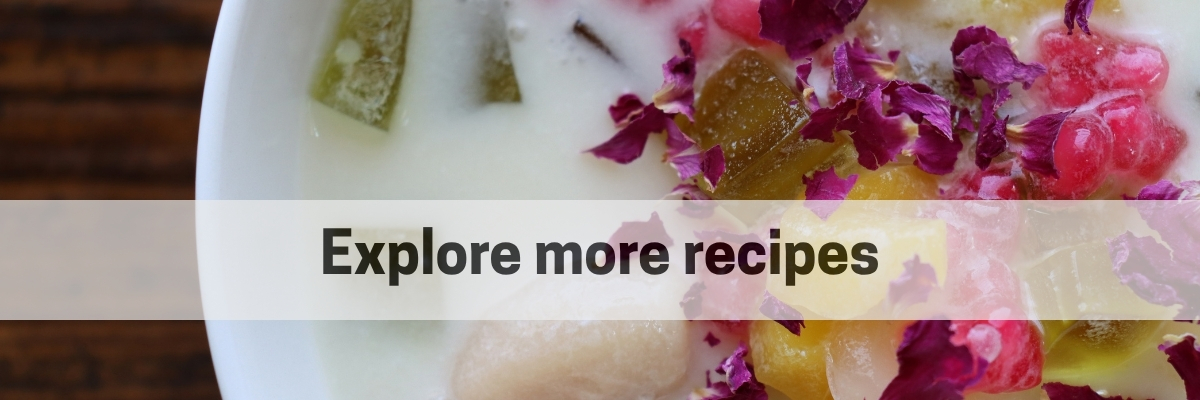
Love This Recipe? Discover More Vietnamese Chè
If this bowl of chewy rice dumplings, ginger syrup, and coconut sauce has inspired your sweet tooth, why not explore more Vietnamese chè recipes? From colourful layered desserts and creamy coconut puddings to sweet bean soups and sticky rice treats, there is something delicious for every occasion.
Browse more easy Vietnamese dessert recipes and discover the beautiful world of Vietnamese sweet soups.
- Chè Thưng (Mung Bean & Coconut Medley Soup)
- Vietnamese Three-Colour Dessert (Chè Ba Màu)
- Vietnamese Fruit Cocktail (Chè Thái)

Recipe for Vietnamese Glutinous Rice Balls in Ginger Syrup (Chè Trôi Nước)
Equipment
- 1 small non-stick saucepan
- 1 medium pot
Ingredients
Filling:
- 75 grams dried split mung beans (soaked overnight)
- 35 grams coconut cream
- 1 tablespoon crispy shallots
- 1 tablespoon sugar
- A pinch of salt
Ginger Syrup:
- 35 grams ginger
- 200 grams palm sugar (or brown sugar)
- 1 litre water
Dough:
- 240 grams glutinous rice flour
- 220 grams water + 10 grams glutinous rice flour (for flour paste)
Coconut Sauce:
- 300 grams coconut cream
- 1 tablespoon sugar
- 5 grams tapioca starch
- A pinch of salt
Toppings:
- Roasted sesame seeds
Instructions
- Prepare the Ginger Syrup & Coconut Sauce:Thinly slice the ginger into matchsticks to help release more flavour into the syrup.In a medium pot, combine the water, palm sugar, and ginger. Cook over medium heat until the sugar is fully dissolved. Remove from heat, cover, and set aside to keep the aroma.In a small bowl, dissolve the tapioca starch with a little water to make a slurry. Pour this into a saucepan with the coconut cream, then add sugar and salt. Cook over medium heat, stirring constantly, until the mixture gently thickens and just begins to bubble. Remove from heat and cover.
- Make the Filling:Rinse the soaked mung beans until the water runs clear. Place in a pot and add enough water to cover the beans by about ½ inch. Bring to a boil over medium-high heat.Reduce to low heat and simmer until the beans are soft and most of the water has evaporated. Stir occasionally and add a little more water if needed to prevent sticking.Add salt, sugar, and coconut cream. Mash and stir until smooth and thick. Fold in the crispy shallots and mix well. Remove from heat and let cool in the fridge until firm enough to handle.Lightly oil your hands and shape the filling into 10 equal balls (about 20 grams each). Cover and refrigerate until ready to assemble.
- Prepare the Dough:Prepare the flour paste (this step helps the dough stay soft and chewy even after cooling). In a saucepan, whisk together 220 grams water and 10 grams glutinous rice flour until smooth. Cook over medium heat, stirring continuously, until the mixture thickens into a paste and just begins to bubble. Remove from heat.While the paste is still hot, gradually pour it into a mixing bowl containing the remaining glutinous rice flour. Mix with a spatula until combined. Once cool enough to handle, knead by hand for about 10-15 minutes until a smooth, soft, non-sticky dough forms. Cover and let rest for about 1 hour.
- Assemble the Dumplings:Divide the dough into 10 equal portions (about 30-35 g each). Reserve any extra dough to make small plain balls if desired.On a lightly floured surface, flatten each piece into a disc with a slightly thicker centre. Place a mung bean ball in the middle, wrap the dough around it, and seal tightly. Roll gently into a smooth ball.
- Cook:Bring a pot of water with 1 tablespoon sugar to a boil. At the same time, keep the ginger syrup warm over medium heat.Drop the rice balls into the boiling water and blanch for about 1 minute to "wash" and set the outer layer of the dough. Carefully transfer the balls into the warm ginger syrup. Simmer on medium-low for 10-15 minutes; the balls will initially sink to the bottom but will gradually float to the surface once they are fully cooked and infused with the syrup. Turn off the heat.
- Serve:Ladle the rice balls with ginger syrup into serving bowls. Drizzle with coconut sauce and sprinkle roasted sesame seeds on top. Serve warm or at room temperature.